Tracing Connections from Equine Performance Data to Tactical Shifts in Community Card Games During Reward Scheme Activations
Skriven av Petra Becker · 2026-09-25
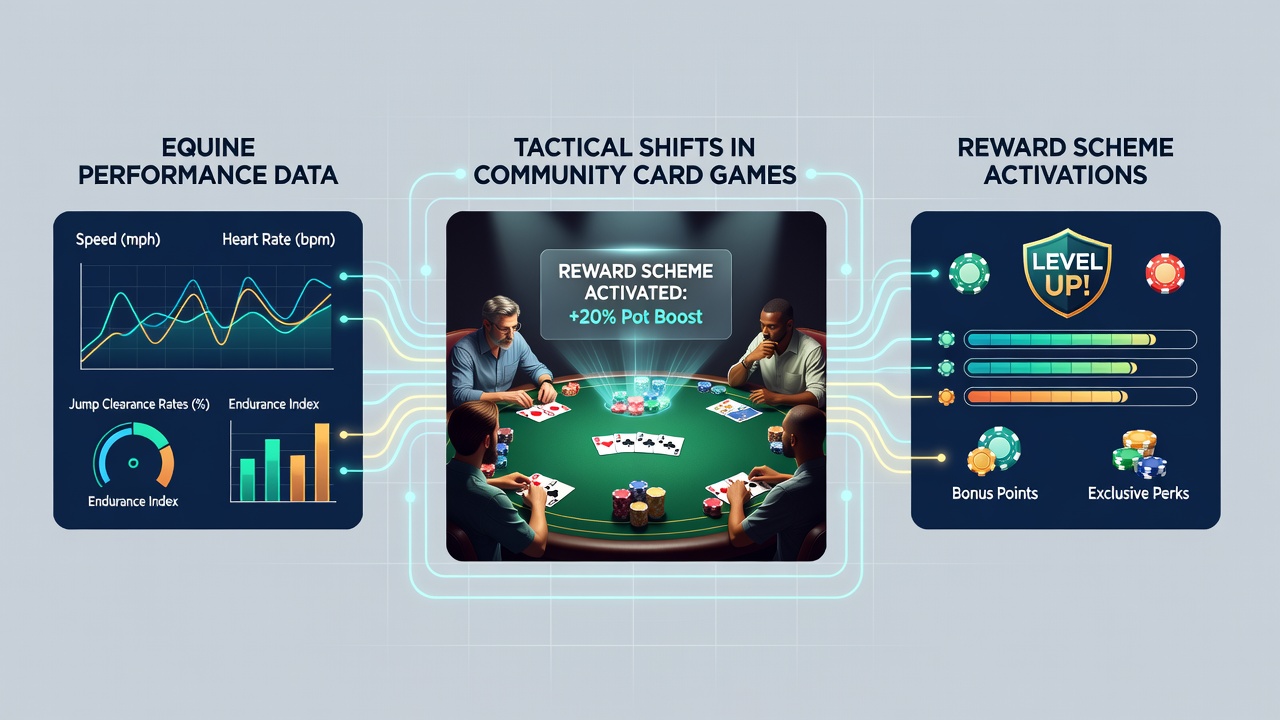
Tracing Connections from Equine Performance Data to Tactical Shifts in Community Card Games During Reward Scheme Activations
Equine performance data has long provided detailed metrics on speed, stamina and recovery times yet observers note these same analytical frameworks now appear in studies of community card games where players adjust strategies when reward schemes activate. Data from horse racing seasons shows patterns in pace management that researchers compare directly to betting sequences in poker variants and similar table formats. Those patterns gain attention because reward activations often coincide with increased participation volumes across both sectors.
Equine Metrics as Analytical Foundations
Performance records compiled by organizations such as the Jockey Club track variables including sectional times and track conditions while trainers adjust tactics based on historical comparisons. These datasets allow quantitative modeling of risk versus reward in each race and analysts apply similar statistical layers when examining card room activity during limited-time promotions. One dataset released in early 2025 illustrated how horses with strong closing speeds performed differently under varying field sizes and parallel observations track how poker participants shift aggression levels once bonus multipliers engage.
Community Card Game Dynamics Under Promotion Windows
Community card formats rely on shared information that changes with each dealt card and players track frequencies much like handicappers follow pace figures. During reward scheme activations participation spikes produce larger sample sizes and data indicates tighter ranges emerge in early positions while looser calls increase near bonus thresholds. Figures from Canadian gaming reports reveal that average hands per hour rise by measurable margins once loyalty incentives activate and these shifts mirror adjustments seen when equine fields encounter changing ground conditions.
Shared Analytical Pathways
Researchers at institutions including the University of Sydney have examined how large datasets from one domain transfer to another and their work highlights algorithmic approaches originally built for race outcome prediction now adapted for expected value calculations at poker tables. Both environments reward precise tracking of variance and the timing of aggressive moves. When reward schemes introduce temporary value boosts the decision trees in card games begin to resemble pace scenarios where early energy expenditure affects later positioning. Observers note that participants who review equine sectional data often develop parallel habits for reviewing hand histories during promotional windows.

September 2026 Data Releases and Projected Trends
Industry calendars list several equine analytics conferences scheduled for September 2026 alongside gaming research symposia and preliminary abstracts suggest continued crossover in modeling techniques. Regulatory filings from Australian authorities already document how promotional calendars influence table traffic and similar patterns appear in North American reports covering community card venues. Those filings show reward activations lasting seven to fourteen days produce sustained elevation in hand volume that then declines gradually once incentives conclude.
Practical Data Application Examples
Take one operator who integrated sectional timing models into loyalty program dashboards and participants received alerts when their play patterns aligned with historical equine recovery metrics. Separate trials conducted across European platforms demonstrated that players exposed to combined visualizations altered check-raise frequencies in ways consistent with pace adjustments observed in turf racing. Such examples illustrate measurable behavioral responses rather than isolated anecdotes.
Conclusion
Connections between equine performance records and tactical adjustments in community card games during reward activations rest on shared statistical principles of timing, variance and positioning. Data compiled across multiple jurisdictions continues to support these intersections while upcoming releases in 2026 will likely refine the models further. Operators and analysts track these developments through established industry channels to maintain alignment with observed participation trends.